Emergency Heating & Cooling
Emergency HVAC Repair in Colorado
A dead furnace on a cold night cannot wait. Call us when heat or cooling fails without warning and we will get a technician out to you.
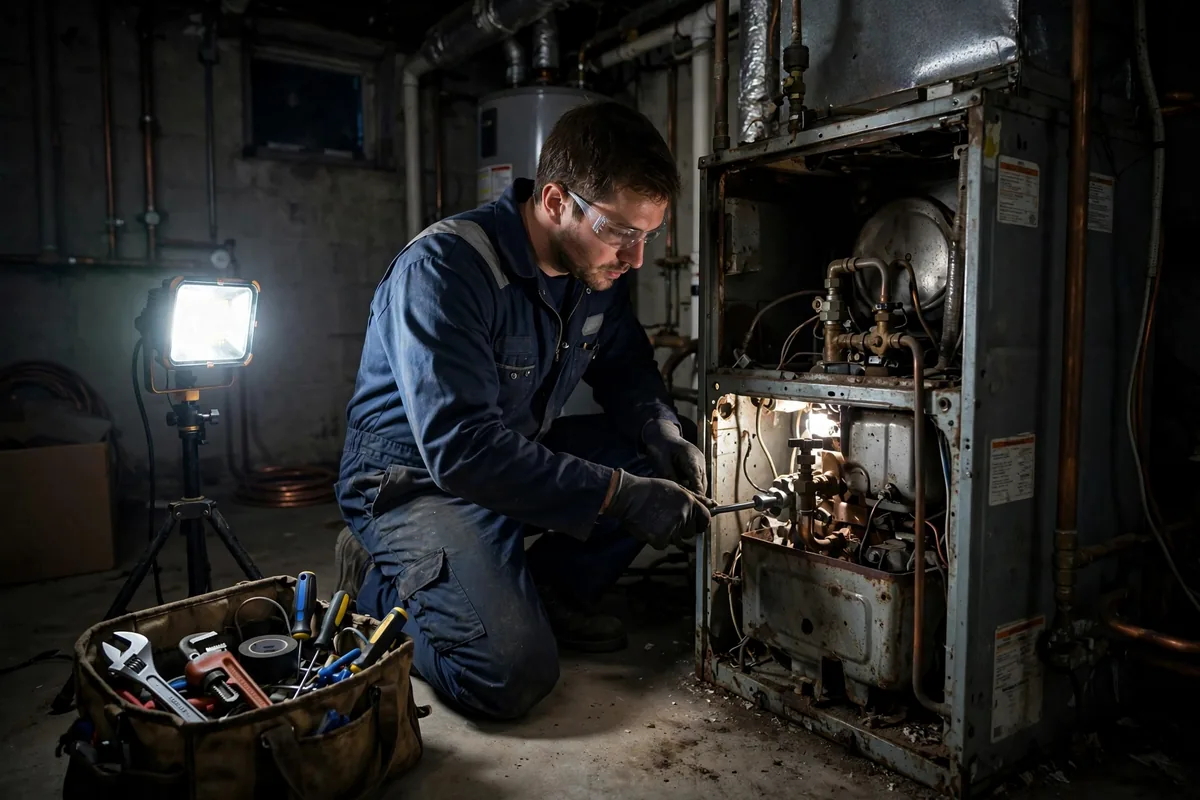
Some failures can wait for a scheduled visit. Others cannot. No heat in a Colorado winter, a carbon monoxide alarm, a gas smell, or no cooling during a heat wave all belong in the second group. When one of those hits, call us and describe what happened. We will get a technician out to you.
For the full picture of how we serve homes across the state, see the homepage. This page covers urgent failures only. For planned work, see the service page for your system, such as furnace repair or AC repair.
What Counts as an Emergency
- No heat in cold weather. The furnace or boiler will not run, or it runs without warming the house.
- A carbon monoxide alarm sounding. Leave the house at once and call 911 from outside.
- A gas smell near a heating appliance. Leave the house at once and call your gas utility or 911 from outside.
- No cooling during a heat wave. The AC will not run, or it runs without cooling the house.
- Water leaking near electrical parts. A leak from the AC, boiler, or pipes that reaches wiring or controls.
- A system that smells like burning. A sharp burning smell from a vent or a unit that will not clear.
What to Do While You Wait
First, handle safety. If the carbon monoxide alarm sounds or you smell gas, leave the house at once and call 911 or your gas utility from outside. Do not flip switches or light anything.
For a heating failure with no safety signs, check three things: the thermostat is set to heat, the furnace switch is on, and the filter is not clogged. Check the breaker for the furnace or AC. Then keep pipes safe: open cabinet doors under sinks on outside walls, and let faucets drip slightly so water keeps moving. Gather blankets, close off rooms you do not need, and keep pets in the warmest room.
For a cooling failure, close blinds and curtains, keep doors and windows shut during the hottest hours, and move to the lowest floor. If anyone in the house feels ill from the heat, call 911.
Try This Before You Call
Before you call for emergency service, these checks help us understand the failure. If you smell gas, skip the checks, leave the house, and call your gas utility or 911 from outside.
- Gas smell: if you smell gas, leave the house at once and call your gas utility or 911 from outside. Do not use a phone inside the house.
- Thermostat: set to the right mode, fan set to Auto. If the display is blank, replace the batteries.
- Breaker: if the breaker has tripped, reset it once.
- Filter: pull it out. If it looks gray and packed, put in a fresh one. A clogged filter can shut a system down.
- Leaking water: if water is leaking, turn off the water supply to the unit if you can reach it safely, and move items away from the drip.
If anything above points to a gas smell or a safety problem, skip the rest and call for help from outside.
How an Emergency Repair Visit Works
- You call, we dispatch. Tell us what the system is doing, when it started, and what you see, hear, and smell.
- We test the full system. The technician arrives with tools and common parts, checks the system, and finds the fault.
- We explain in plain language. We walk you through what we found before any work starts, and lay out the repair options, including what each one involves.
- We fit parts matched to your system. We restore the failed part with a part made for your unit.
- We verify before we leave. We run the system through a full cycle and show you how it runs.
What You Can Expect
Expect the same clear explanation you get on any visit, even in a hurry. We show you the failed part when we can, describe what the repair involves, and answer questions in plain words. Expect us to test the system after the repair and to tell you what to watch in the days after the visit.
After the visit, keep the filter on its schedule, keep the area around the unit clear, and note any new sounds or smells. A yearly tune-up lowers the chance of the next failure landing on the coldest night of the year.
How Emergency Repair Compares With Planned Service
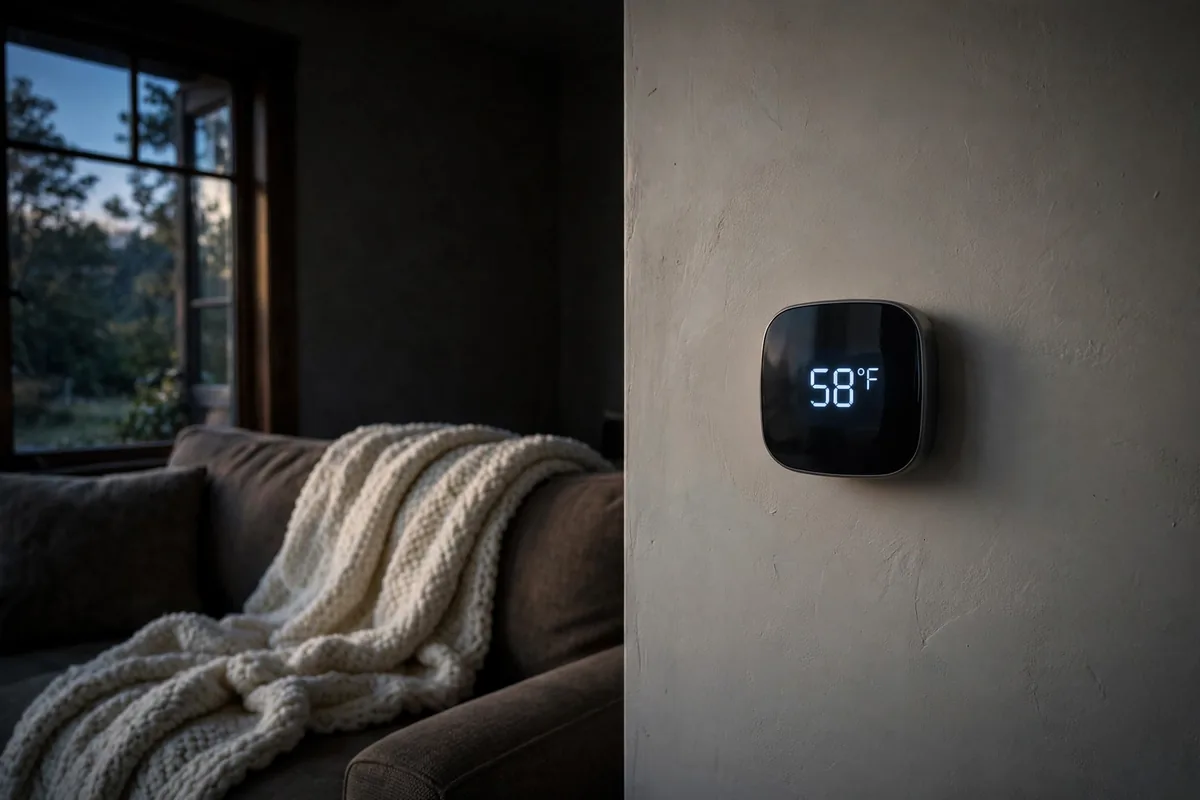
Emergency repair and planned repair fix the same faults. The difference is timing. Emergency repair answers a failure that cannot wait, such as no heat in winter. Planned repair and maintenance handle trouble found during a scheduled visit. If your system already shows a fault but still runs, a scheduled visit may suit you better. If it quit outright, call now.
Frequently Asked Questions
Check that the thermostat is set to heat, the furnace switch is on, and the filter is not clogged. Check the breaker for the furnace. If the heat stays off, call us and describe what the furnace is doing. Keep pipes safe by opening cabinet doors under sinks on outside walls and letting faucets drip slightly.
Yes, but leave the house first. Get everyone and every pet outside at once, then call 911 from outside. Do not go back in to open windows or to look for the source. Stay outside until emergency crews say it is safe to go back in.
A small drip from the condensate line can wait for a scheduled visit. A leak that reaches wiring or controls, or a leak that soaks ceilings and walls, cannot wait. Shut the AC off, place a container under the drip, and call us to describe what you see.
Tell us what system you have, what it is doing, when it started, and what you see, hear, and smell. Note any error lights, alarm sounds, leaks, or burning smells. The more you tell us, the better we can prepare for the visit.
Turn the system off if you smell gas, see water reaching wiring, smell burning, or hear loud grinding. Otherwise, leave the thermostat where it is and let the system sit. If the carbon monoxide alarm sounds or you smell gas, leave the house at once and call 911 from outside.
Open cabinet doors under sinks on outside walls so warm room air reaches the pipes. Let faucets drip slightly so water keeps moving. Close off rooms you do not need and keep the warmest room shut. If a pipe bursts, shut the main water valve and call us.
Last updated: October 16, 2026.
Sources and Further Reading
These government pages explain the same topics in more depth.