Heat Pump Services
Heat Pump Installation & Repair in Colorado
A heat pump heats in winter and cools in summer from one unit. We install new heat pumps and repair units that ice up, run nonstop, or lose output in Colorado weather.
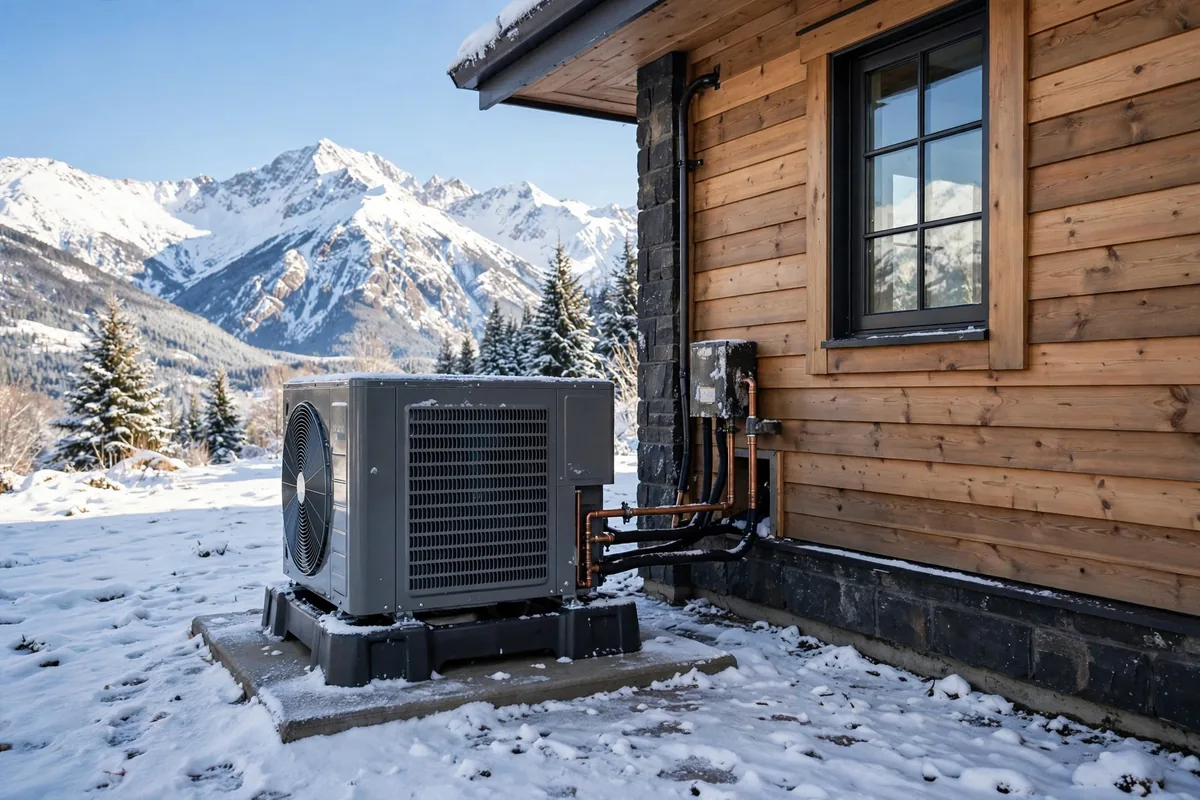
A heat pump moves heat instead of making it. In summer it pulls heat out of the house and releases it outside. In winter it pulls heat from the outside air and brings it indoors, even when that air feels cold. One unit handles both seasons, which suits Colorado homes that want heating and cooling without two separate systems.
For the full picture of how we serve homes across the state, see the homepage. This page covers ducted and ductless heat pumps that serve a whole home or a set of zones. For single-room ductless units, see ductless mini-split services. For cooling-only systems, see AC repair and installation.
Signs Your Heat Pump Needs Attention
- Ice that will not clear. A thin frost that melts during defrost is normal. Thick ice that stays put is not.
- A unit that runs nonstop. The outdoor unit hums through the night without reaching the thermostat setting.
- Weak heat in cold weather. The air from the vents feels cool when the thermostat calls for heat.
- A unit stuck in one mode. The system cools when it should heat, or it will not switch modes at all.
- Loud outdoor fan or grinding sounds. Fan blades, bearings, or ice buildup can all make noise.
- Outdoor unit buried in snow. Drifts block airflow and push the unit to work harder.
When a Heat Pump Fits, and When It Does Not
A heat pump fits a Colorado home that wants one system for heating and cooling. Cold-climate models keep heating through mountain winters, and they pair well with ductwork that already runs through the house. They also fit homes adding cooling to a furnace setup, since the heat pump can carry the mild-weather heating load and the furnace can back it up in the coldest snaps.
A heat pump does not fit every home on its own. A house with no ductwork and only one or two rooms to condition may suit ductless mini-splits better. A home with radiators and no ducts belongs on the boiler page. And a home that already heats well with a furnace may only need cooling added.
Try This Before You Call
A heat pump that will not heat or cool often comes down to a setting, a filter, or ice. These checks take a few minutes.
- Thermostat: set to Heat or Cool for the season, fan set to Auto. If the display is blank, replace the batteries.
- Outdoor unit: clear snow, leaves, and ice from around it, and keep at least a foot of open space on all sides.
- Indoor filter: pull it out. If it looks gray and packed, put in a fresh one. A clogged filter cuts airflow and can ice the coil.
- Breaker: if the heat pump breaker has tripped, reset it once.
- Iced-over outdoor unit: switch the thermostat to emergency or auxiliary heat and call us. Do not chip ice off the coil.
If the trouble stays after these checks, call us and describe what you found.
How Heat Pump Installation and Repair Work
- You call, we dispatch. Describe the symptoms. Icing, noise, and when the trouble started all help us send the right technician.
- We test the full system. We check airflow, filters, coils, refrigerant charge, defrost controls, and the indoor and outdoor units.
- We explain in plain language. We walk you through what we found and lay out repair or replacement, including what each option involves for your home and ductwork.
- We fit parts matched to your heat pump. Repairs restore the failed part. Installations set a new unit sized for your home, with line sets, drainage, and controls matched to the house.
- We verify before we leave. We run the system in heating and in cooling, check airflow and temperature at the vents, and show you the thermostat settings and how defrost looks when it runs.
What You Can Expect
Expect a clear explanation before any work starts. We show you the frost or ice pattern on the outdoor unit when icing is the issue, and we describe what the repair involves. During an installation, expect the outdoor unit to sit on a raised pad or stand above snow level, with clear space around it for airflow.
After the visit, keep snow, leaves, and plants clear of the outdoor unit, and keep the filter clean. A yearly tune-up checks the defrost cycle, coils, and refrigerant charge before winter and again before summer.
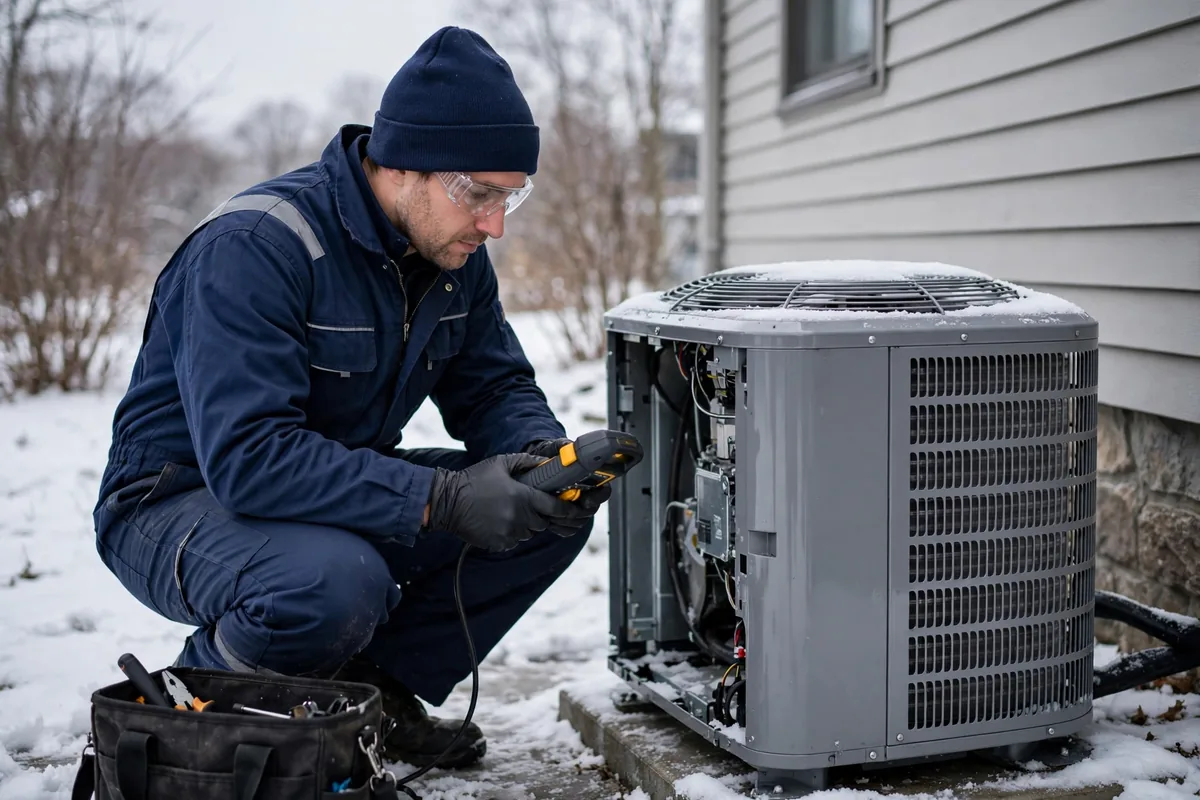
How a Heat Pump Compares With Other Systems
A heat pump heats and cools. An air conditioner cools only, so a home with an AC still needs a furnace or another heat source. A furnace heats with fuel and pairs well with an AC or a heat pump for summer. A mini-split is a ductless form of heat pump that serves single rooms or zones without ductwork, while the systems on this page serve a home through ducts or a set of zones.
Frequently Asked Questions
Yes. Cold-climate heat pumps heat through snow and cold weather by pulling heat from the outside air. The outdoor unit will frost up in damp cold and melt that frost during defrost cycles. Keep snow clear of the unit and call us if thick ice stays put or the house stops warming.
Ice builds up when the defrost cycle fails, airflow is blocked, or the refrigerant charge is low. A thin frost that melts on its own is normal. Thick ice that stays for days points to a defrost control, sensor, or airflow problem that needs a check.
Cool air in heating mode can come from a unit stuck in defrost, a reversing valve that has not switched, low refrigerant charge, or a thermostat set to the wrong mode. Check the thermostat mode first. If the air stays cool, call us and describe what the outdoor unit is doing.
Defrost mode is a short cycle where the heat pump melts frost off the outdoor coil. The outdoor fan stops, you may see steam or water, and the indoor air may feel cooler for a few minutes. The cycle ends on its own. If the unit stays in defrost or ices up right after, it needs a check.
In many Colorado homes, yes. A heat pump heats in winter and cools in summer from one unit. Some homes keep a furnace as backup for the coldest snaps, and some homes with radiators keep a boiler for heat and add a heat pump for cooling. We look at your home and ductwork and lay out the options.
Clear snow from around the outdoor unit after each storm and keep a gap of open air on all sides so air can move through the coil. Do not pile shoveled snow against the unit, and do not chip ice off the coil with tools. If ice stays thick after a clear day, call us.
Last updated: October 16, 2026.
Sources and Further Reading
These government pages explain the same topics in more depth.