Furnace Repair & Installation
Aging ranch furnaces in Applewood and Villa West run long winters, and we repair ignition faults, cold air, and short cycling, or replace units that keep failing.
Learn more →Lakewood Heating & Cooling
Lakewood sits at about 5,500 to 5,800 feet against the foothills, with 1950s ranches, Bear Creek greenbelts, and Green Mountain wind. From Applewood to Green Mountain, our HVAC technicians repair, install, and maintain the furnaces, boilers, heat pumps, and air conditioners Lakewood homes depend on.
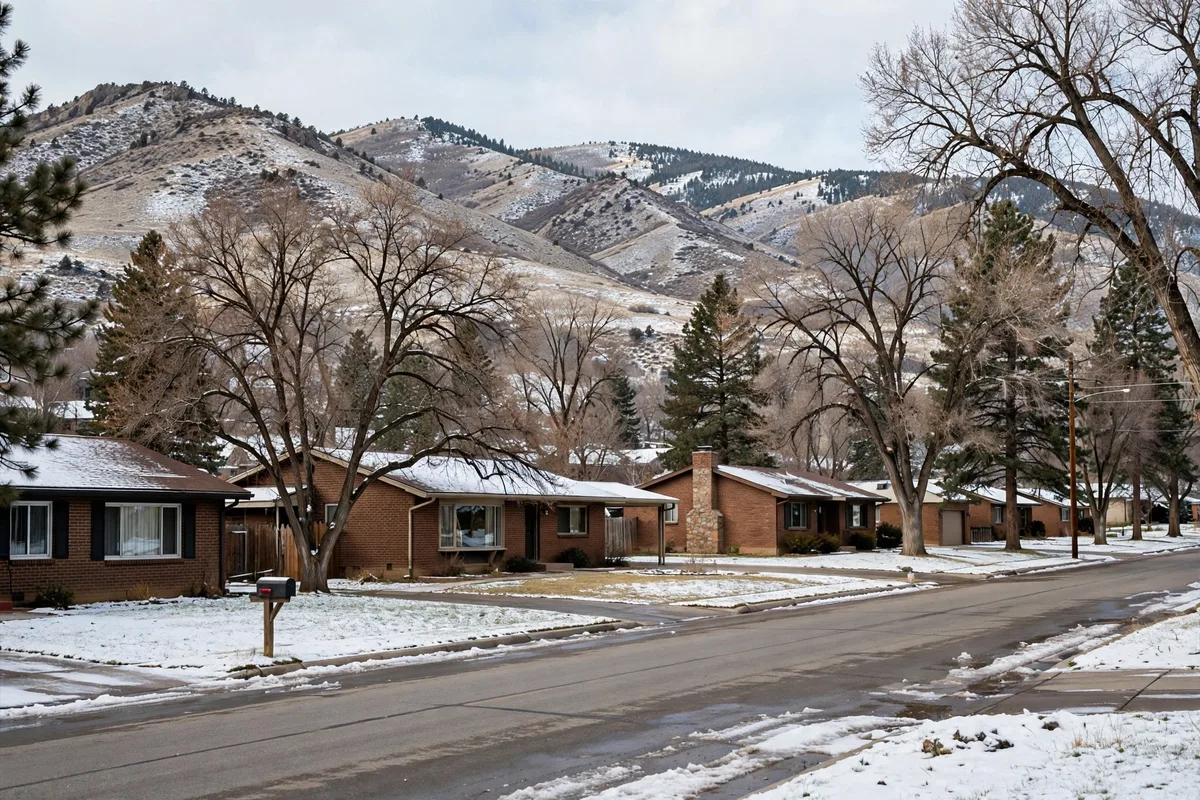
Green Mountain wind finds leaks. Green Mountain wind pushes cold air through leaky ducts and wall gaps, leaving the windward rooms cold. We seal ductwork and check airflow so heat stays inside.
Aging ranch furnaces. Many a 1950s-to-1960s Lakewood ranch still heats with its original furnace, and when that old unit gives out you get short cycling, cold air, or a furnace that will not start at all. We repair those faults and replace furnaces that keep breaking down.
Greenbelt humidity and musty air. Homes near Bear Creek and the greenbelts see more moisture than homes on higher ground, and that shows up as musty air and condensation. We check ventilation and drainage along with the heating and cooling system.
Hot summers, hard-working AC. On a long, hot Lakewood afternoon, an AC unit runs flat out, and a low charge or a dirty coil turns up as warm air or a frozen line. We find the cause and restore cooling from Belmar to Green Mountain.
Dry air in winter. Lakewood homes feel it every winter: the heat dries the indoor air until static builds, wood cracks, and throats turn scratchy. A whole-home humidifier adds moisture back and keeps Lakewood indoor air comfortable.
Green Mountain wind and foothill storms can change a Lakewood day in hours, so the National Weather Service forecast office in Boulder carries the local forecast for Belmar to Green Mountain, and the EPA indoor air quality pages cover indoor air for homes near Bear Creek greenbelts and higher, windier ground.
Lakewood stretches from 1950s ranches in Belmar to new Solterra builds at up to 5,800 feet, with Green Mountain wind and greenbelt moisture in the mix, so the twelve services below move from aging ranch furnaces to new-build setup.
Aging ranch furnaces in Applewood and Villa West run long winters, and we repair ignition faults, cold air, and short cycling, or replace units that keep failing.
Learn more →Lakewood boilers sit in a scattering of older homes, and we repair the leaks and cold radiators they develop.
Learn more →A heat pump suits Lakewood shoulder seasons, and we install and repair units for Green Mountain and Bear Creek homes with attention to wind and altitude.
Learn more →Lakewood AC units fight Green Mountain wind dust and summer heat, and we bring them back from warm air, frozen lines, and odd cycling.
Learn more →A finished basement or a garage workshop in Applewood gets heating and cooling from a mini-split, with no ductwork to run.
Learn more →Lakewood swamp coolers suit the dry air, and we service pads, pumps, and water lines for homes from Belmar to Solterra.
Learn more →Greenbelt moisture leaves some Lakewood homes musty while winter air dries the rest, so dehumidifiers, filters, and ventilation even things out.
Learn more →A yearly tune-up keeps a Lakewood furnace and AC ready for Green Mountain wind and hot afternoons.
Learn more →Belmar offices, shops, and restaurants run rooftop units and split systems, and we keep them heating and cooling.
Learn more →Lakewood heat or cooling that fails on a cold night or a hot afternoon gets a technician on the way.
Learn more →Radiant heat under a Bear Creek bathroom floor or a Green Mountain addition warms evenly, and we repair cold loops and install new ones.
Learn more →Lakewood homes sealed for winter trap stale air, and an ERV brings in fresh air while holding onto heat and moisture.
Learn more →Lakewood sits between Denver and the foothills, and its weather shows both. Foothill storms drop snow fast, Green Mountain wind drives cold air into homes, and summer afternoons climb high. Bear Creek and the greenbelts add moisture and shade that the rest of the metro rarely sees. Between Denver and the foothills, a Lakewood system has to take Green Mountain wind, fast snow, and summer heat all in one year.
Housing in Lakewood runs from 1950s to 1960s ranches to 1970s to 1980s builds and newer infill. Many ranches still run on aging furnaces with original ductwork. Green Mountain and Applewood homes sit higher and catch more wind. We work on all of it, and we size replacements for the home as it stands.
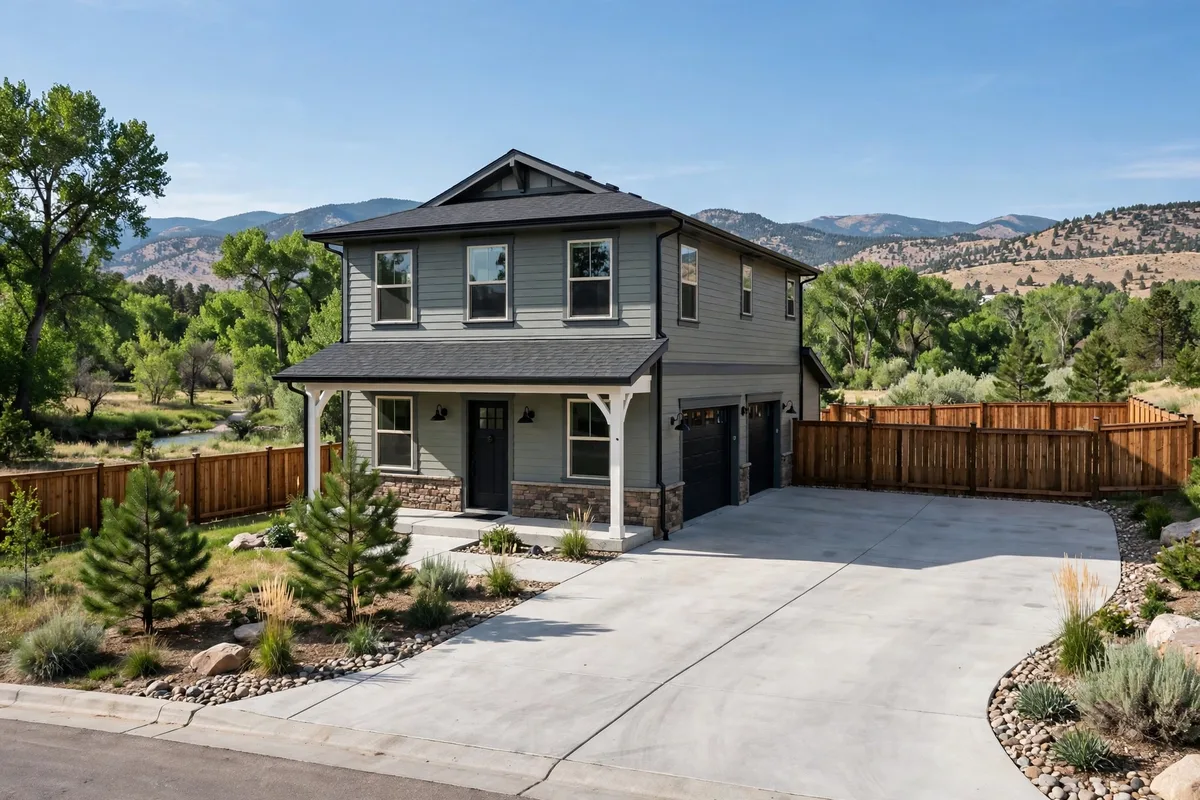
We cover Lakewood from Belmar and Green Mountain to Bear Creek and Solterra, including:
Lakewood ZIPs run 80214, 80226, 80227, 80228, 80232, and 80235, covering Belmar, Green Mountain, and the rest of town.
Belmar anchors the city center, Green Mountain rises on the west side, and Bear Creek Lake Park sits on the southwest edge. Red Rocks Amphitheatre sits nearby in Morrison. St. Anthony Hospital serves the area, and Denver International Airport (DEN) and Rocky Mountain Metropolitan Airport are the nearest airports.
Yes. We serve Belmar, Green Mountain, Applewood, Solterra, Bear Creek, and Villa West, along with the rest of Lakewood. Tell us your neighborhood when you call so we can plan the visit.
Green Mountain wind pushes cold air through leaky ducts and wall gaps, leaving the windward rooms cold. We seal ductwork, test airflow, and check insulation gaps so heat stays inside and reaches every room from Belmar to Green Mountain.
We look at how often it has needed repair, how well it heats your Lakewood ranch, and whether parts are still available. Applewood and Villa West ranches from the 1950s to 1960s often still run their original furnace, so that history matters. For an Applewood or Villa West ranch still on its original furnace, a new furnace sized for that house usually beats another repair.
Yes. Modern cold-climate heat pumps heat through Lakewood winters and cool in summer, and they suit shoulder seasons for Green Mountain and Bear Creek homes. We size them for the home, allow for foothill wind and altitude between about 5,500 and 5,800 feet, and check defrost cycles, airflow, and refrigerant charge so they hold output on cold nights.
Homes near the greenbelt see more moisture than homes on higher ground. Poor ventilation and a clogged condensate drain add to it. We check ventilation, drainage, and ductwork to find the cause.
Get the furnace checked, the filter changed, and vents and returns cleared before the first foothill storm rolls off Green Mountain. We inspect burners, ignition, safety controls, and airflow, and we flag worn parts before a Green Mountain storm tests them.
Last updated: October 16, 2026.